
Introduction
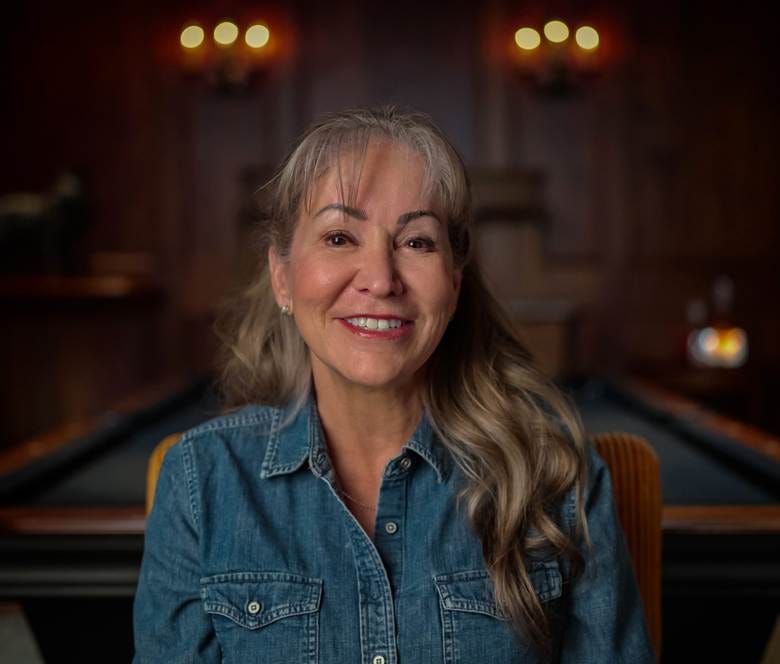
Poker attracts all kinds of personalities, but every once in a while, someone comes along who seems to bring the entire spirit of the game with them: curiosity, competitiveness, humor, and a willingness to try something new.
Lydia Blair is one of those people.
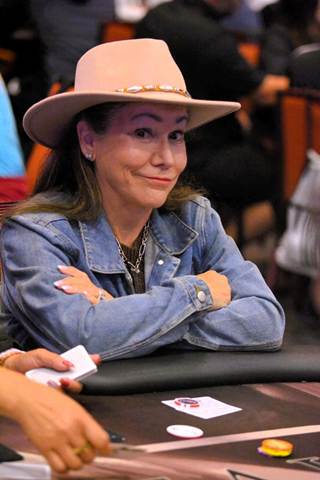
Based in Texas, Blair has built a reputation as a passionate tournament player who combines serious study with a deep love for the social side of poker. She studies and analyzes betting patterns, but she’s just as comfortable cracking jokes at the table or chatting with players about their favorite hands.
From childhood games of five-card stud to the booming poker rooms of Texas, to reality television and social media, Blair’s life is full of adventure and reflects something many players eventually discover: the game evolves as you do.
In recent years, Blair has also become something of a poker personality online. Her TikTok account (@lydiatexasgrandma) features poker stories, table culture, and light-hearted takes on the game that resonates with folks, whether they play poker or not. She also competed on Netflix’s series Million Dollar Secret, where she represented what she jokingly calls “Team Grandma” while navigating a house full of deception, alliances, and strategy.
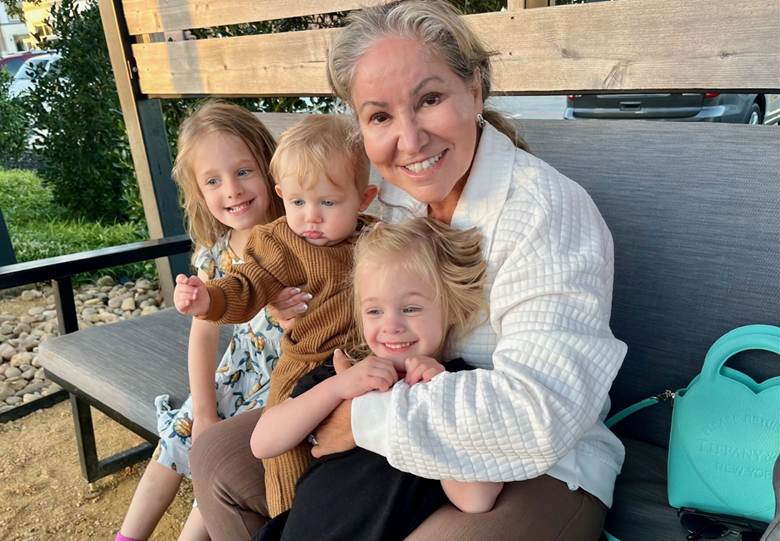
Railbird Creations spoke with Blair about her poker journey, the unique culture of Texas cardrooms, building a social media presence, and what it’s like to take a poker player’s mindset into the unpredictable world of reality television.
I. Poker Origins & Evolution
1. How did you first get into poker, and what did those early days look like for you?
I learned as a kid. My salty uncle taught me five-card stud and seven-card draw. Then in my thirties, I went to a charity casino event with a friend. We were playing Blackjack, and I noticed a Texas Hold’ Em tournament nearby. Everyone was having the best time, and I thought, “I want to do that.”
I joined an amateur poker league in the Dallas–Fort Worth area where different venues hosted games. It was social and fun, and the next year I went back to that charity event and won first place. That was all it took; I got hooked.
Not long after, the World Poker Tour (WPT) held an amateur event where you could qualify based on points. I made it into a multi-day tournament and busted in 99th place on Day 4. The prize was a mug, but I was thrilled. It made me want more.
I played when I could while raising kids. When they went off to college, I started playing more regularly. Over time, I got serious about improving. I worked with coaches and took classes focused on practical tournament situations, mindset, and decision-making. The deeper you go, the more you realize there’s always another layer to learn.
2. How has your relationship with the game evolved over time?
It comes in waves. I’ve had phases of I’m doing this for fun, then I really want to win, then I’m great at this, and then, occasionally, I’m terrible at this.
Sometimes I feel dialed in and confident. Other times I don’t. Poker has a way of humbling you fast, so you’re always adjusting.
3. Are you more of a strategy-first player, do you rely on intuition and feel at the table, or do you utilize some mix of both?
It’s a mix. I like having a strong strategic foundation, but I also trust my gut. I’m much better at reading people now than I used to be.
I learned to pay attention to patterns—who’s aggressive, who chases, who gets stubborn, who plays the same spots the same way. Even when I’m chatting at the table, I’m watching what’s happening. You don’t have to track every person constantly, but you can pick a few key players and start noticing tendencies.
Some days, I’m a robot. Some days, I’m loosey-goosey.
4. What’s your favorite part of poker that keeps you coming back, even on tough days?
I’m competitive. I love the competition aspect of poker. I also love the feeling of getting up from the table, even if I didn’t cash, and still knowing I played well.
My husband would say, “If you played well, you should’ve made money,” but poker doesn’t work like that. Sometimes you play your best and still go home early.
I also genuinely enjoy the social side. Most of the time, I have a good time when I go play.
5. Has poker changed the way you think about risk, patience, or decision-making outside the game?
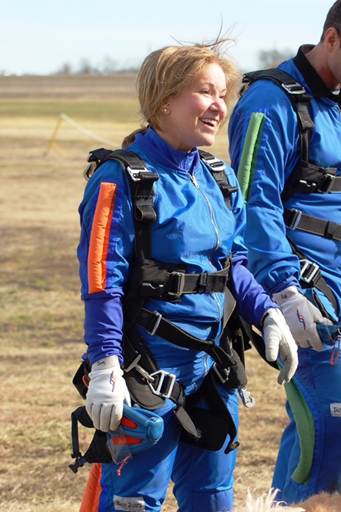
I always say I have the patience of a saint. If you’ve outlasted a two-year-old having a tantrum as a grandma, you can outlast just about anyone on the felt.
I wasn’t much of a risk-taker when I was younger; I was very rule-following. But as I got older, I realized I missed out on some fun by always playing it safe. When I hit 50, I decided to stop waiting for things.
One of my poker mantras is fearless, but not foolish. You can’t play scared, but you also can’t play recklessly. There’s a difference.
II. Texas Poker Culture
6. You play in Texas. How would you describe the poker scene there to someone who’s never experienced it?
Texas poker right now is the land of opportunity.
Gambling is illegal here, but card rooms operate as private clubs, so there are membership-based rooms and private games. People compare everything to Vegas, but Texas has a lot of poker. Within an hour of me, there are about ten poker rooms, plus more nearby if you’re close to Oklahoma.
Most places run tournaments every day—usually one in the morning and one in the evening—so there’s always something happening.
The structure is different too. In cash games, clubs can’t take a rake, so you pay by time, usually around $10 to $14 an hour for your seat. In tournaments, there’s a fee, like anywhere else.
That said, you have to be careful about where you play. There was a beautiful room with food and drink service that opened and lasted only a couple of months before the sheriff’s department raided it and seized assets. So, I always tell people: play in established places that are clearly operating legitimately.
The only thing that makes me nervous is how much the scene is booming. I worry that growth could bring more scrutiny. But right now, Texas poker is thriving.
7. Is Texas poker as wild as people say, or is that reputation exaggerated?
I think it’s a little exaggerated.
I’ve played in Florida, Oklahoma, and Vegas. Texas can be lively, and home games where everyone knows each other might have some trash talk, but no one’s putting a gun on the table or betting the farm. It’s not that kind of wild. It’s just active.
III. Creating Poker Content & TikTok
8. You’ve built a growing following on TikTok. How did that come about?
I didn’t really have a social media presence until the Netflix show. After the show was released, people encouraged me to put myself out there and build something from the experience.
At first I thought, who would care about me? But I had someone helping me who understood social media, and she kept telling me people were genuinely interested.
I gravitated toward fun poker content—table culture, stories, and playful series ideas like “If poker hands were shoes” or “If poker hands were desserts”, things like that. A lot of my best posts come from asking players questions at the table, like what their walk-up song would be or what their favorite hand is.
When I’m playing, my focus is playing, so I take notes. If something happens that feels like a good post, I write it down and come back to it later.
9. Has content creation changed how people interact with you in poker rooms?
A little. People recognize me from the show or from TikTok. Sometimes they’ll ask, “Have we played together?” and I’ll joke that I might look familiar thanks to Netflix.
I’ve had people ask for photos, and sometimes they’ll start recording if we’re talking about the show. As long as it’s not while I’m in a hand, it’s fine.
There’s also something real about being a woman over 60. In society—and in poker—you can become invisible unless someone is trying to sell you something. At the poker table, that invisibility can actually be an advantage. People discount you, and you can play under the radar for a while.
Now it happens less because I’m more recognizable, and there are so few women playing that I naturally stand out as one. But I’m still perfectly happy to be underestimated whenever I can.
10. You appeared on Netflix’s Million Dollar Secret. How did that opportunity come about, and what was the experience like?
The ad to apply popped up on my Instagram feed, and it said I could apply to compete for a million dollars. I honestly thought, is this a scam? But I applied, and then it turned into emails, texts, calls, and more paperwork than I expected. And suddenly, it was real.
Reality TV likes to typecast people, and I assume I was cast as the older Southern lady. We filmed in Canada for about three weeks.
In some ways it felt like a vacation because you don’t cook or clean, but it was also stressful. You’re mic’d up from morning to night. You don’t talk to people unless cameras are rolling. Wardrobe tells you what to wear. There’s no phone, and there’s no TV. Even when you go to your room, there’s still structure and supervision.
I kept a diary because it was such a strange environment. And I do think being a poker player helped me. Thanks to poker, I’m comfortable competing, staying composed, and thinking strategically.
I prepared hard before filming. I worked with a trainer, watched competition shows, and even read How to Win Friends and Influence People, because on a show like that, social strategy matters. In poker, people don’t have to like you. In reality TV, it can decide whether you stay.
11. Million Dollar Secret wasn’t your first time on television. What was your earlier TV experience like?
Back in the 80s, I worked for American Airlines so I could fly for free. My husband and I were remodeling our first house, and I decided I was going to go on a game show and win cash to pay for the work being done.
I taped shows, figured out which ones paid money instead of giving away prizes, and practiced. I targeted Password, flew to the tryouts, and ended up getting picked.
They filmed multiple episodes in a short time, and contestants would even change outfits to make it look like they were competing on different days. I won $12,600 and used it to help fix up our house.
Years later, that clip went viral on TikTok, which still makes me laugh.
12. Did the Netflix experience change how you view competition or yourself?
It made me care less about what strangers think.
You can be edited into looking like you’re saying or doing anything. People who know you, know you. I got comfortable with that.
And it reinforced something poker teaches you early: don’t be results-oriented. Focus on whether you played the best game you could with the information you had. That’s what I try to do on TV, at the table, and even online.
IV. Looking Towards the Future
What’s next for you at the tables, online, or somewhere entirely unexpected?
I might do another reality show. My Netflix contract expires soon, and I’ve heard some talk about something that could film in 2026 and air in 2027. If it happens, great. If it doesn’t, I’m fine.
Poker-wise, I want to win a ring this year, and I’m playing more. The truth is you have to put in volume to give yourself chances. I’m traveling more too. I’m planning to play in Ireland in July, and I’ll be entering more events.
I’m also building a network of people who want to improve, not just relive bad beats. The more you play and travel, the smaller the poker world gets n the best way possible.
Conclusion
For Lydia Blair, poker is more than a game; it is a constant learning process, a social community, and an ever-evolving personal challenge.
Her approach reflects a mindset many successful players seem to eventually develop: play fearlessly, but never foolishly. Study the game, trust your instincts, and remember that results don’t always tell the whole story.
Whether she’s competing in Texas tournaments, filming TikTok videos about poker culture and her life, or navigating the strategy and psychology of a Netflix game show, Blair brings curiosity, humor, and a willingness to keep improving with her
Fortunately, she’s far from finished.
With plans to travel for more tournaments, potentially appear on additional reality shows, and continue growing her presence online, Blair is embracing the next stage of her poker journey with the same enthusiasm that first pulled her into the game years ago.
As she puts it, poker and life reward those who are willing to show up, take their chances, and keep learning along the way. Follow her good example, be kind, run good, and have fun out there on the felt!
Want to submit a Community Contribution to Railbird Creations?
We welcome essays, reported pieces, opinion columns, and personal stories from the poker and gambling community.
Send submissions to: submissions@railbirdcreations.org